Protecting Your Blended Michigan Family’s Future
Blended families are common in Michigan. Maybe you remarried, have stepchildren or half-siblings, or you are in a later-in-life partnership where each of you brings your own kids and assets. These families are full of love, but they often face extra challenges when it comes to planning for the future.
Without a clear plan, the law steps in and makes choices for you. That can lead to stepchildren being left out, tension between a surviving spouse and children from a prior relationship, and long, expensive probate fights. Those are hard problems for any family, and they can hit blended families especially hard.
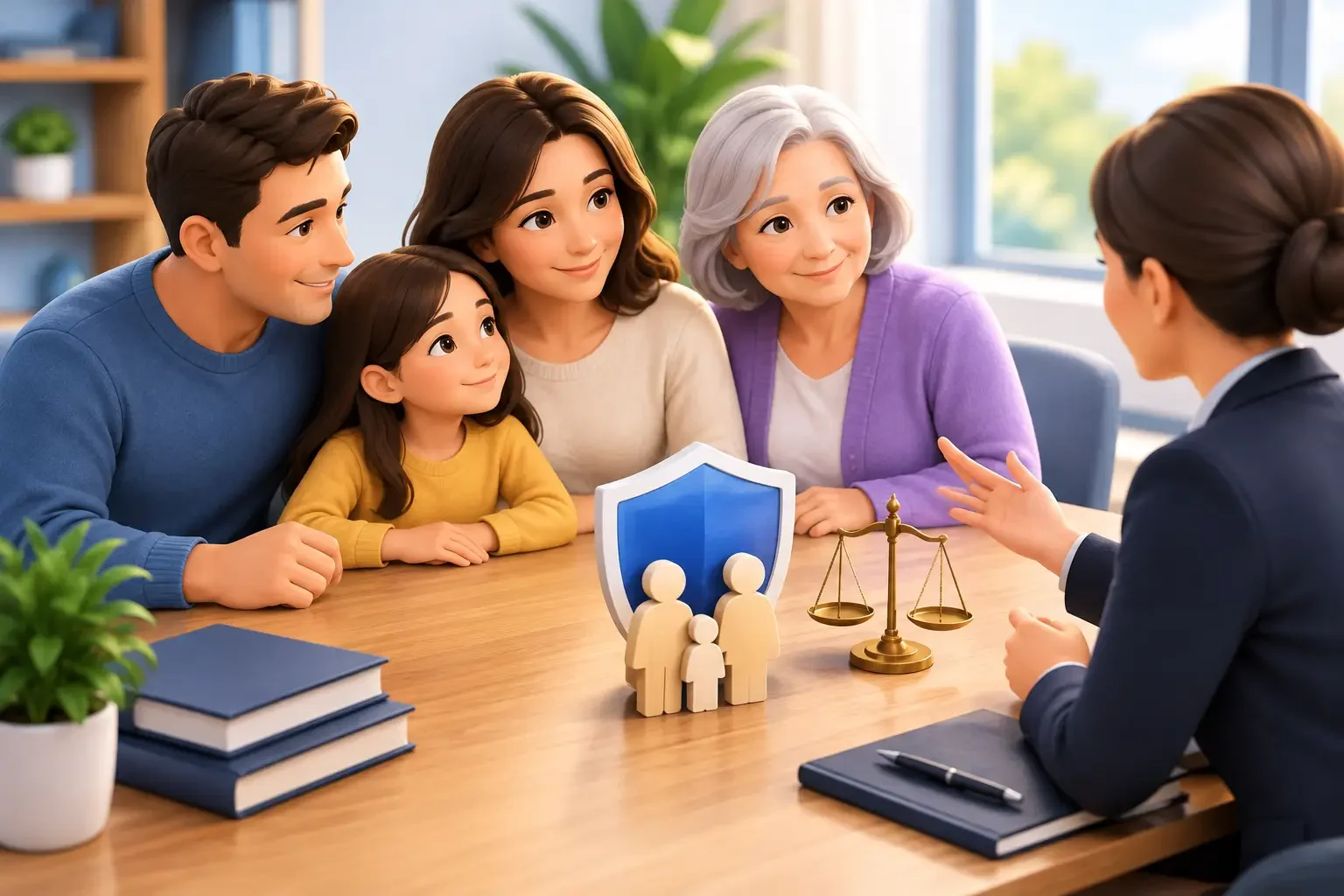
Working with an estate planning specialist gives you control over who receives what, when, and how. Instead of leaving everything up to default state rules and the probate court, you can create a clear roadmap that respects both your spouse and your children. Spring is a natural time to refresh your finances and legal documents, much like spring cleaning at home, so it can be a good moment to get this done and off your mind.
At Kata Law PLLC, we focus on helping Michigan families with customized estate planning and probate services. Our goal is to keep your assets out of court and out of conflict, and to help you build a plan that truly fits your blended family.
Why Standard Wills Fail Blended Families
Many people start with a simple will that leaves everything to their spouse, then to the kids if both spouses are gone. That kind of plan assumes a traditional nuclear family, where all children are joint children. In a blended family, things are rarely that simple.
If you leave everything to your spouse, you are trusting that spouse to later share fairly with your children from a prior relationship. But your spouse can change their will, remarry, or leave assets to only their own children. This can unintentionally cut out your kids from a previous relationship.
If you have no will at all, Michigan intestacy laws decide how your assets are divided. The default rules might:
• Give part of your estate to your spouse and part to your children
• Split assets in ways that feel unfair based on who contributed what
• Leave stepchildren with nothing if they were never legally adopted
Real-life, style problems can include:
• A second spouse and adult children arguing over who gets the family home or the family cottage
• Stepchildren being treated as “outsiders” because the law does not treat them the same as biological or adopted children
• Long-term partners who never married left with no clear rights
The emotional fallout can be huge. Siblings may resent a step-parent, a long-term partner may feel unprotected, and families can get pulled into probate disputes at a time when they are already grieving. An estate planning specialist is trained to see these issues coming and to draft your plan to reduce the chances of these conflicts.
Key Tools Estate Planning Specialists Use for Blended Families
Estate planning for blended families is not one document, it is a set of tools that work together. One of the most helpful tools is a revocable living trust. With a trust, you can:
• Allow your surviving spouse to live in the home and use assets during their life
• Set aside a portion of the estate that is reserved for children from a prior relationship
• Keep many assets out of Michigan probate, which can be public and time-consuming
Marital trusts and QTIP-style planning can also help. These types of trusts are often used to:
• Provide income and support for a surviving spouse
• Preserve the principal for your children after that spouse passes away
• Keep a clearer divide between “marital” assets and “family legacy” assets
Beneficiary designations and transfer-on-death instructions need special attention in blended families. These are used for:
• Life insurance
• Retirement accounts like 401(k)s or IRAs
• Bank and investment accounts
If they are not aligned with your trust and your will, they can send assets to the wrong person or skip someone you meant to include. An estate planning specialist helps you coordinate these forms so your stepchildren and biological children are cared for according to your actual wishes.
It is also important to have powers of attorney and patient advocate designations. In a blended family, a new spouse and adult children may not agree on medical or financial decisions if you cannot speak for yourself. Clear documents can:
• Name who handles money decisions if you are incapacitated
• State who makes medical decisions and what your wishes are
• Reduce the chance of family members fighting over “what mom or dad wanted”
A specialist pulls all of these tools into one unified plan that matches the real shape of your blended Michigan family.
Michigan-Specific Issues Blended Families Cannot Ignore
Michigan law has its own rules that can surprise blended families. For example, how your home is titled matters. If a house is owned as joint tenants with rights of survivorship, it may pass directly to the surviving owner even if your will or trust says something different. That can leave children from a prior relationship with no share of the home.
Other Michigan issues to consider include:
• Homestead rights, which can give a surviving spouse certain protections in the family home
• Joint bank or investment accounts that automatically pass to the joint owner
• How probate courts handle unclear or conflicting documents
Blended families are more likely to see legal challenges, creditor claims, and delays if the plan is incomplete or confusing. When children from different relationships and a new spouse all have expectations, any gap in the plan can turn into a fight.
If you have minor children, guardianship is another big concern. A Michigan court will decide who raises your children if both parents are gone. For blended families, it is especially important to:
• Name preferred guardians in a valid Michigan document
• Name backup guardians in case your first choice cannot serve
• Think through whether a step-parent, grandparent, or other relative is best suited
Many Michigan families also own an Up North cottage, cabin, or other special property that carries deep emotional meaning. Different sets of children, or a second spouse and older kids, may not agree on whether to sell, share, or keep the place for future generations. Planning ahead can:
• Put the property into a trust or entity with clear rules
• State who can use the property and when
• Help avoid disagreements about maintenance costs and buyouts
A Michigan-based estate planning specialist who understands local laws and common local assets can design a plan that actually works in daily life, not just on paper.
Updating Your Plan After Marriage, Divorce, or New Children
Your blended family will change over time. That is normal, and your estate plan needs to change along with it. Major life events that should trigger a review include:
• Remarriage or divorce
• Birth or adoption of a child or grandchild
• Buying a new home or vacation property
• Receiving an inheritance or other large asset
Outdated documents can be more harmful than having no plan at all. Problems can include:
• An ex-spouse still named as a life insurance or retirement account beneficiary
• Old guardians listed for your children who are no longer the right fit
• Former in-laws or past partners named in financial or medical powers of attorney
A simple way to stay on track is to:
• Do a quick check of beneficiaries and key documents at tax time each year
• Have a comprehensive review every 3 to 5 years
• Schedule an immediate review after any major family or financial change
An experienced estate planning specialist will not just prepare documents once and forget about them. They will guide you on when and how to revise your plan as your blended family grows, shifts, and settles into new patterns. Spring can be a good season for this kind of “refresh,” so your legal and financial life reflects where you are now, not where you were years ago.
Kata Law PLLC, led by Attorney Andy Kata, focuses on customized estate planning and probate services for Michigan families, including blended families. We are here to help you create a plan that keeps your assets out of court and out of conflict, and that respects everyone you love.
Protect Your Legacy With Thoughtful Estate Planning Today
When you are ready to put a clear, legally sound plan in place for your family and assets, we are here to guide you through every step. Work directly with an experienced estate planning specialist who will take the time to understand your goals and concerns. At Kata Law PLLC, we focus on practical strategies that help you avoid unnecessary stress, conflict, and expense in the future. Reach out to our team today to discuss your options or schedule a consultation through contact us.